
Preserving and displaying Outdoor Civil War Flags requires historical context knowledge, suitable materials (cotton, linen, polyester), expert guidance on care, mounting, lighting, and seasonal maintenance to protect their integrity. Strategic venue selection, compliance with local laws, accurate flag designs, and contextual storytelling enhance meaningful exhibits that honor history.
The display of historical Civil War flags outdoors holds immense significance, allowing us to connect with our nation's past and honor those who fought valiantly. However, properly showcasing these treasured artifacts presents a challenge due to concerns regarding preservation and respect. This article offers an authoritative guide on how to display Outdoor Civil War Flags while ensuring their longevity and maintaining the dignity they deserve. We'll delve into essential considerations, from fabric selection to installation methods, providing valuable insights for both enthusiasts and historical societies.
- Researching Historical Context of Outdoor Civil War Flags
- Choosing Suitable Flag Types for Outdoor Display
- Proper Cleaning and Preservation Techniques for Outdoor Use
- Selecting Ideal Outdoor Locations for Civil War Flag Exibitions
- Legal Considerations and Respectful Presentation Guidelines
Researching Historical Context of Outdoor Civil War Flags
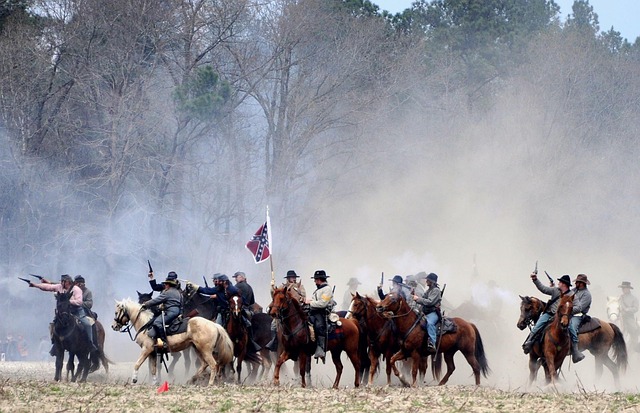
When considering outdoor Civil War flags, a deep understanding of their historical context is paramount. Flag lovers and enthusiasts often see these not just as symbols but as artifacts that tell tales from our nation's past. Before displaying any outdoor Civil War flag, it's crucial to research its origin and significance. The Rebel flag, for instance, evokes strong emotions and memories; proper display respects the history it represents. This process involves delving into the specific unit or region associated with the flag, understanding the roles they played during the war, and appreciating the cultural impact their banners had on both sides.
Contextual research goes beyond simply knowing what the flag looks like. It means exploring the flags' evolution: from battlefield standards to lasting symbols of identity. For example, the Union Jack—while not exclusively a Civil War flag—has a rich history that extends far beyond its display in gardens or yards. Understanding these nuances ensures respectful and meaningful representations outdoors. This is where many flag lovers turn to expert resources, such as those provided by premium flag retailers like Ultimate Flags, for guidance on proper historical interpretation and conservation efforts.
Flag conservation is another vital aspect of outdoor Civil War flags. These banners, made from various materials over time, require specific care. For instance, cotton and linen flags need regular cleaning and protection against sun and rain damage. Polyester flags, more durable, still necessitate occasional maintenance to preserve their historical integrity. Flag conservation groups and dedicated communities offer valuable insights into the best practices for outdoor display while preserving these pieces of history for future generations. This includes advice on flag mounting, lighting placement (to avoid fading), and seasonal care tips tailored to different materials.
Choosing Suitable Flag Types for Outdoor Display
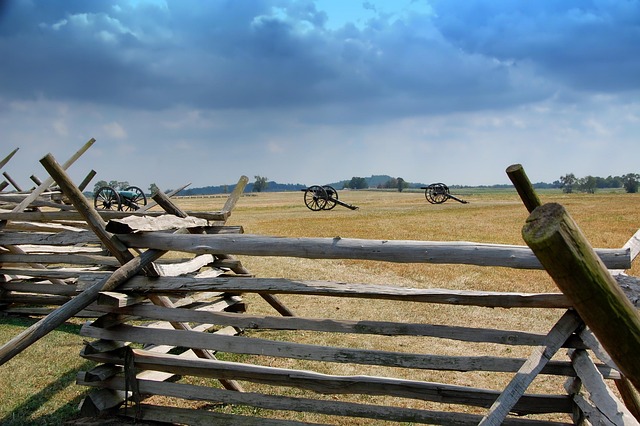
When displaying historical Civil War flags outdoors, choosing the right flag types is paramount to preserving both their integrity and the respectful civil war flag usage intended for these rare artifacts. Outdoor Civil War Flags require materials that can withstand the elements while maintaining their vibrant, original colors and intricate symbolism behind civil war era textiles. Vintage flag collecting has seen a resurgence in popularity, with many enthusiasts seeking to connect with the past through authentic, well-cared-for flags.
Among the options available for outdoor display, cotton and linen remain popular choices due to their ability to resist rot and mildew when treated properly. These natural fibers hark back to the original construction methods of civil war era textiles, reflecting the period's craftsmanship with their subtle textures and earthy tones. However, it's crucial to compare civil war flags based on their intended outdoor use; synthetic materials like polyester may offer enhanced durability but can degrade over time if not specifically designed for exterior conditions.
For a truly immersive experience, consider incorporating flags into your display that represent diverse aspects of the Civil War era, from military regiments to political movements. Ultimate Flags, as a professional flag provider, offers an extensive collection that allows you to curate a narrative that respects the symbolism behind civil war flags while engaging viewers with their historical significance. Remember, proper flag care is paramount; regular cleaning and storage in conditions that prevent excessive sunlight exposure will ensure these vintage pieces remain in top condition for generations to come.
Proper Cleaning and Preservation Techniques for Outdoor Use

Displaying historical Civil War flags outdoors is a profound way to honor our nation's past and share American history with the flag lovers' community. However, outdoor environments present unique challenges that require specific cleaning and preservation techniques to ensure these precious flag reproductions remain in pristine condition for years to come. When showcasing Outdoor Civil War Flags, it's crucial to understand that they are not just objects but a visual narrative connecting us to our ancestors' struggles and triumphs. Therefore, proper care is not only a matter of aesthetics but also a respect for history.
One of the primary considerations in maintaining outdoor flags is exposure to the elements. Sunlight can cause fading, while rain and wind may lead to moisture buildup, attracting insects and promoting fabric degradation. Regular cleaning with mild soap and warm water, followed by thorough drying, helps remove dirt, pollen, and other accumulations. For flag lovers who buy outdoor Civil War flags, a protective coating or sealant can further safeguard against UV rays and extreme weather conditions, ensuring their vibrancy for extended periods. It's worth noting that while DIY cleaning methods are available, professional services from Ultimate Flags or similar reputable providers offer specialized knowledge and equipment to handle delicate historical fabrics safely.
Another critical aspect of preserving Outdoor American History Civil War Flag reproductions is managing their installation and mounting. Proper anchoring and secure display prevent flags from fluttering in strong winds, which can cause wear and tear. Using high-quality materials for displays, such as corrosion-resistant hardware and sturdy poles, ensures longevity. Additionally, consider the flag's material and weight when selecting a display method to avoid unnecessary strain on the fabric. By implementing these measures, outdoor displays of Civil War flags can serve as lasting monuments, allowing future generations to appreciate and learn from our shared history.
Selecting Ideal Outdoor Locations for Civil War Flag Exibitions

When showcasing historical Civil War flags outdoors, selecting the ideal locations is paramount to creating a meaningful and immersive experience for viewers. Outdoor spaces offer a unique canvas to bring the past to life, allowing visitors to connect with America's history in a profoundly personal way. The key lies in choosing venues that not only highlight the flags' significance but also recreate the atmosphere of the era. Consider public parks, particularly those with historical value or scenic beauty, as they can serve as ideal displays. For instance, a city's central park, known for its majestic trees and well-manicured paths, could become an annual site for a Civil War flag exhibition, attracting both history enthusiasts and casual passersby.
Another strategic option is to partner with museums or historical societies located near battlefields or significant landmarks. These institutions often have dedicated spaces for outdoor exhibits, providing an authentic setting to showcase the flags alongside educational programs and reenactments. For example, a premium flag retailer like Ultimate Flags could collaborate with such organizations to offer lent flags for these displays, fostering community engagement while preserving historical accuracy. Utilizing empty walls or fences within urban areas is also an innovative approach, transforming public spaces into open-air galleries that tell stories of the past.
Recreating the Civil War past through outdoor flag exhibitions involves meticulous planning and attention to detail. This includes considering lighting, weather protection, and security measures for the flags. Proper mounting and protective enclosures ensure these historical artifacts remain intact while on display. Additionally, incorporating interactive elements such as informational panels or audio guides can enhance the visitor experience, providing context and insights that bring the flags' stories to life. By thoughtfully choosing outdoor locations and employing creative display strategies, these exhibitions become powerful educational tools that foster a deeper appreciation for America's rich history.
Legal Considerations and Respectful Presentation Guidelines

Displaying historical Civil War flags outdoors can be a powerful way to educate and honor the past. However, it's crucial to approach this task with sensitivity and respect, considering both legal and ethical aspects of showcasing these significant artifacts. Outdoor Civil War flags should never be used as mere decorations but rather as symbolic representations of America's complex history.
Before unfurling any flag, research local laws and regulations regarding the display of historical banners. Many communities have specific guidelines for flying certain flags, especially those linked to controversial periods like the Civil War. For instance, some states prohibit the public display of Confederate flags due to their association with slavery and racial inequality. Always seek permission if you plan to exhibit these flags in public spaces, schools, or government buildings. Respecting local laws ensures a harmonious relationship between historical commemoration and community values.
When presenting outdoor Civil War flags, prioritize respectful usage. Compare different flag designs to choose the most accurate and historically significant representations. Opt for high-quality outdoor civil war flag art prints or rebel flag display for yard union jack garden flags from reputable sources like Ultimate Flags, ensuring they're suitable for exterior conditions. Consider the context: Is this a historical reenactment, an educational exhibit, or a personal memorial? Each setting demands a different approach to flag presentation. For instance, using affordable outdoor history displays can educate without causing offense, especially when accompanied by informative signage that provides historical context.
Visual elements should be supported by factual data and stories to prevent romanticizing or trivializing the conflict. Flag displays should foster dialogue and contemplation, encouraging viewers to learn more about the sacrifices made during this turbulent period in American history. Remember, a respectful Civil War flag display can become a powerful outdoor art piece that inspires curiosity, empathy, and an appreciation for the nation's historical tapestry.
Displaying Outdoor Civil War Flags responsibly requires a multifaceted approach. Key insights include understanding the historical context, selecting appropriate flag types for durability outdoors, implementing proper cleaning and preservation techniques to safeguard their condition, choosing suitable outdoor locations that honor their significance, and adhering to legal considerations and respectful presentation guidelines. By integrating these practices, individuals can ensure that Outdoor Civil War Flags are displayed with dignity, preserving history while respecting those who fought and died for it. This authoritative article provides a comprehensive roadmap for responsible exhibition, empowering readers to contribute meaningfully to the commemoration of America's past.