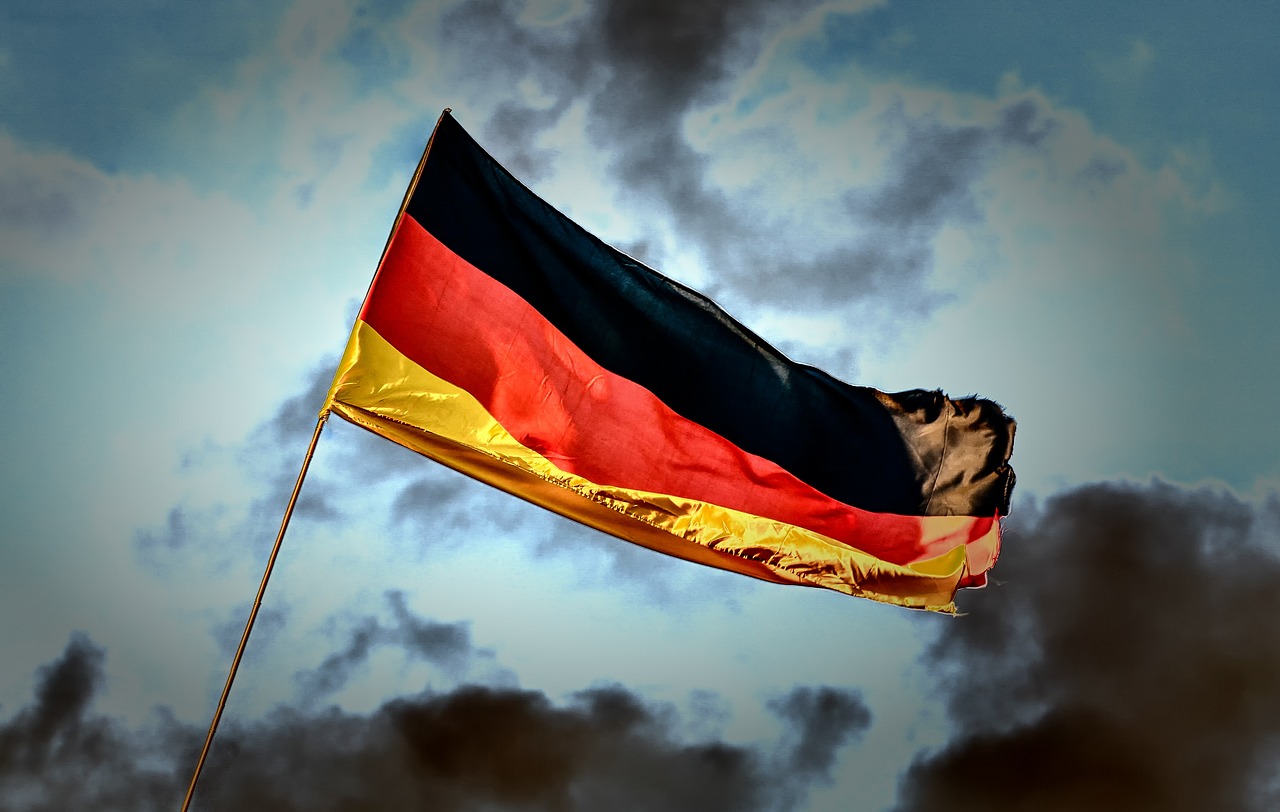
The display of Outdoor Civil War Flags is a poignant way to honor history and pay tribute to the sacrifices made during one of America's most tumultuous periods. However, ensuring these flags remain vibrant and resilient through exposure to the elements can be a challenge for enthusiasts and historical societies alike. The cost of high-quality reproduction flags specifically designed for outdoor use has long been a point of contention, creating a barrier to their widespread adoption. This article delves into the factors influencing these prices, offering insights that empower readers to make informed decisions while preserving the legacy of Outdoor Civil War Flags.
- Understanding the Factors Influencing Outdoor Flag Quality
- Sourcing High-Performance Civil War Flags for Outdoor Display
- Installation and Maintenance: Ensuring Longevity of Your Outdoor Civil War Flags
Understanding the Factors Influencing Outdoor Flag Quality
The quality of outdoor flags, particularly historic reproduces like Outdoor Civil War Flags, is significantly influenced by a multitude of factors. These include the materials used in construction, manufacturing techniques, environmental conditions, and intended display duration. High-quality flags designed for outdoor use must be robust enough to withstand harsh weather conditions, including sun exposure, wind, and varying temperatures. This necessitates the use of durable fabrics such as nylon or polyester, which offer superior strength-to-weight ratios compared to cotton.
Civic pride flag displays, whether representing historical periods like the 1800s or contemporary movements, demand accuracy in recreation. To recreate authentic Outdoor Civil War Flags or other historic designs, flag makers must meticulously study original artifacts and period photographs. This meticulous approach ensures that each stitch, color, and detail mirrors the past, fostering a genuine connection to history. For instance, using period-appropriate threads and dyes can significantly enhance the visual authenticity of a recreation, allowing viewers to immerse themselves in the spirit of the era.
When selecting Outdoor Civil War Flags or flags inspired by other historical periods for outdoor display, it's essential to consider the frequency of recreation. High-quality flags designed for long-term use often incorporate additional features such as reinforced seams, heavy-duty hardware, and UV-resistant coatings. A premium flag retailer like Ultimate Flags, for instance, offers flags built to last through multiple recreations of historical displays, ensuring they remain vibrant and intact for years to come. This is particularly important for civic pride events that occur annually or every few years, where flags must withstand repeated use and exposure to varying environmental conditions.
Proper flag maintenance plays a crucial role in preserving their quality. Simple steps like regularly cleaning and storing them properly between displays can significantly extend their lifespan. Additionally, understanding the specific care requirements of different fabrics and materials is vital for maintaining the integrity of outdoor flags, whether they represent historical heritage or contemporary ideals. By considering these factors and making informed choices, individuals and organizations can ensure that their flag displays remain vibrant and respectful representations of their chosen cause or era.
Sourcing High-Performance Civil War Flags for Outdoor Display
Sourcing high-performance outdoor Civil War flags requires a blend of historical authenticity and durability to withstand the elements. When recreating 1860s era flags for display, it's essential to understand that these textiles were meticulously crafted with specific dyes and construction methods that have since evolved. Established flag dealers like Ultimate Flags offer a wealth of knowledge and access to modern materials that can closely replicate these historical standards while ensuring longevity.
Consider the value of vintage textiles in civil war museums – their display often highlights not just the visual beauty, but also the material history and craftsmanship of the era. Evaluating your own flags for potential museum-quality involves examining the fabric's texture, colorfastness, and construction quality. High-quality outdoor Civil War flags should be made from durable materials like cotton or polyester to resist fading and wear from sun exposure.
For those with a DIY spirit, "sewing your own civil war flag" can be both rewarding and instructive. Online resources offer detailed patterns and historical specifications for various units' flags, enabling enthusiasts to create accurate representations. However, ensuring the finished product looks and lasts like an original requires meticulous attention to detail – from thread selection to stitching techniques. Regular visits to civil war museums (1-3 times a year) can provide invaluable insights into the intricacies of these historical artifacts, inspiring both the design choices and quality standards for your own outdoor flags.
Installation and Maintenance: Ensuring Longevity of Your Outdoor Civil War Flags
The installation and ongoing maintenance of high-quality reproduction Outdoor Civil War Flags are crucial aspects of ensuring their longevity and preserving historical accuracy. These flags, meticulously crafted to replicate those used during the American Civil War, demand careful treatment to maintain their integrity for years to come. Proper installation involves secure mounting on suitable poles, with robust halyards (or flag ropes) that can withstand outdoor conditions. Weatherproofing is also essential; sealing the flag fabric against moisture and UV exposure prevents fading, frailness, and potential damage from environmental elements.
Regular maintenance includes cleaning and occasional repairs. Gentle washing with mild detergent and cold water, followed by air-drying, helps to preserve the flag's vibrancy. For more persistent stains or damaged areas, expert conservation efforts can restore the flag while respecting its historical value. Reenactors and history enthusiasts often turn to online resources for reenactor supplies, including high-quality flags from reputable sources like Ultimate Flags. These suppliers offer guidance on proper handling and display, ensuring that customers not only receive authentic products but also gain knowledge about maintaining them.
Moreover, adhering to civil war flag etiquette is vital when displaying these replicas outdoors. This includes flying the flags at appropriate heights, ensuring they are visible yet respectful of surrounding structures or other flags. Proper storage during adverse weather conditions and periodic inspection for wear and tear are also critical practices. By implementing these conservation efforts and following ethical guidelines, owners of outdoor Civil War Flags can contribute to the preservation of historical memory while enjoying their display as a cherished part of their outdoor space.
The journey through understanding and sourcing high-quality Outdoor Civil War Flags has unveiled several key insights. By comprehending factors like material durability, construction techniques, and environmental considerations, you can invest in flags that withstand outdoor conditions. Sourcing from reputable suppliers specializing in high-performance flags ensures authenticity and quality. Moreover, proper installation and regular maintenance are crucial for their longevity. This article equips readers with the knowledge to make informed decisions, ensuring their Outdoor Civil War Flags remain vibrant and prominent for years to come, enhancing any outdoor display.
Outdoor Civil War Flags demand a blend of historical accuracy and durability. High-quality construction with durable fabrics ensures longevity against harsh weather. Meticulous recreation using period-appropriate materials and techniques captures the spirit of the era. Regular maintenance, proper installation, and adherence to etiquette preserve their integrity and historical value. Online resources guide enthusiasts in sourcing authentic flags and implementing best practices for display and conservation.